




IonoNet: An INGV network of OBLIQUE Ionosondes
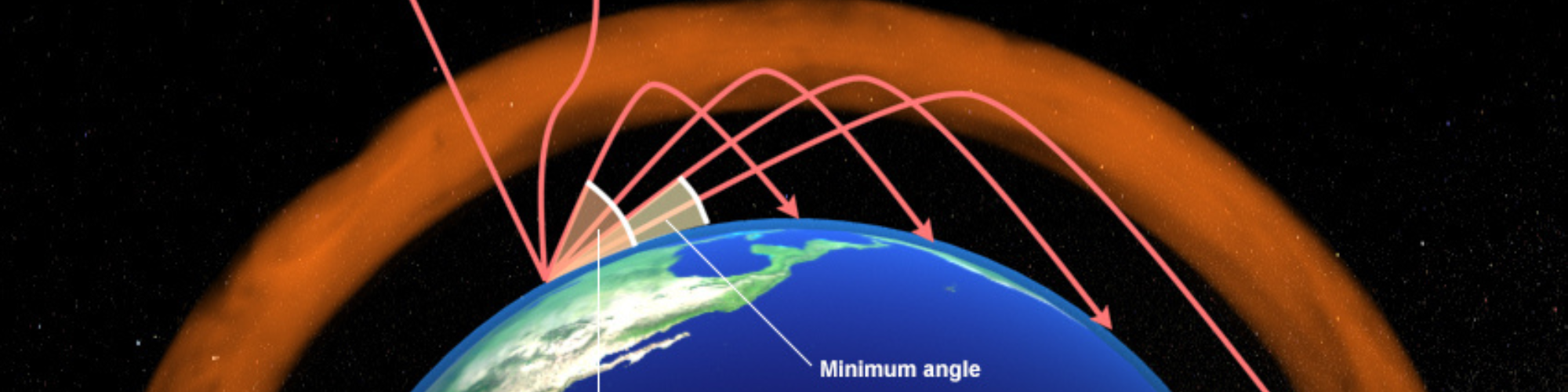
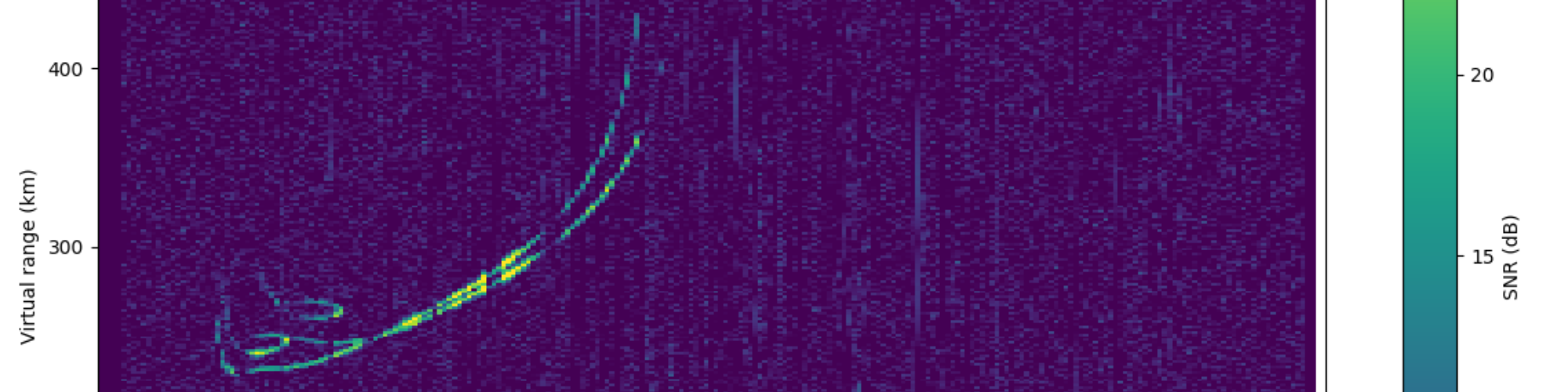
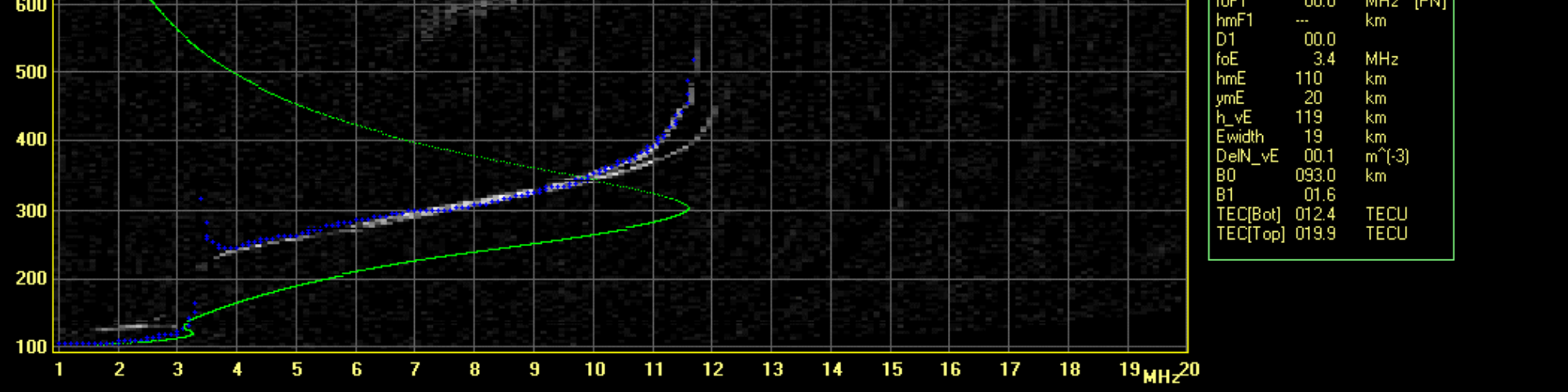
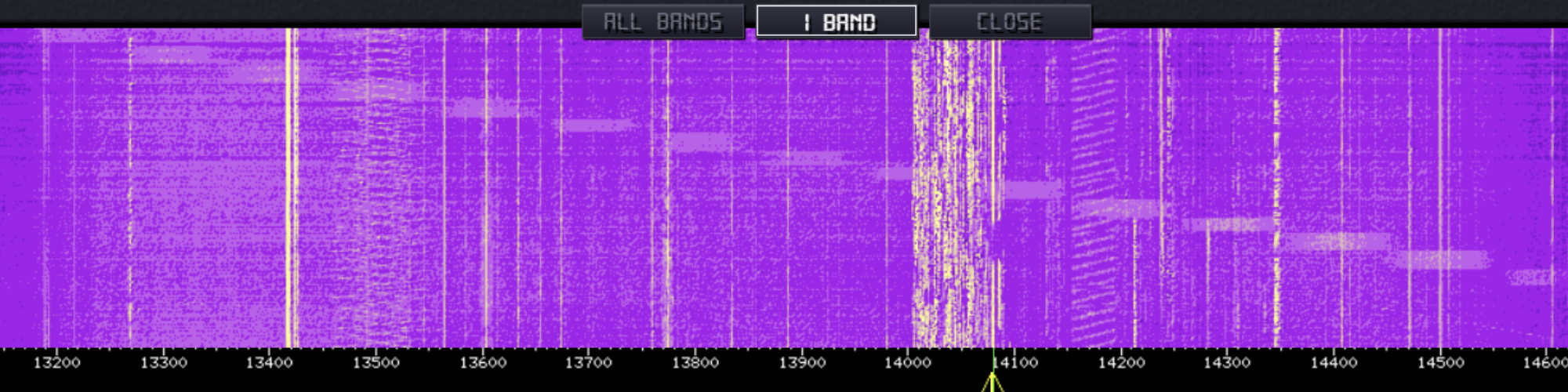
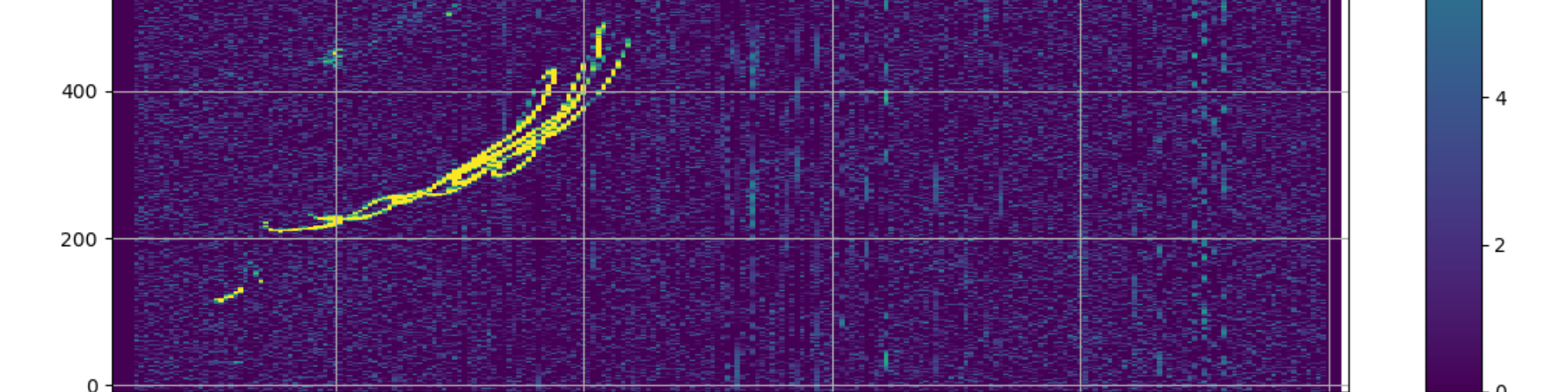
Oblique ionosondes provide an effective means to probe the ionosphere over regions where vertical sounders cannot be deployed, such as oceans or complex terrain. By deploying multiple simple receivers, they also enable a denser spatial sampling of ionospheric conditions. However, extracting ionospheric parameters from oblique ionograms remains challenging due to the long propagation paths and shallow incidence angles of the signals. To address this, verticalization techniques are applied to convert oblique ionograms into equivalent vertical ones, facilitating the retrieval of critical ionospheric parameters.
IonoNet is an INGV (Istituto Nazionale di Geofisica e Vulcanologia) research project developing a multi-static cooperative radar network of Pseudo-Random Code (PRC) ionosondes deployed across Europe to map and study the local variation of the ionosphere, its electron density profiles and the radio propagation parameters to evaluate TEC anomalies and generate alerts for disturbed ionospheric conditions. The used ionosondes are bistatic PRC radar that transmit and receive pseudo random coded continuous wave.
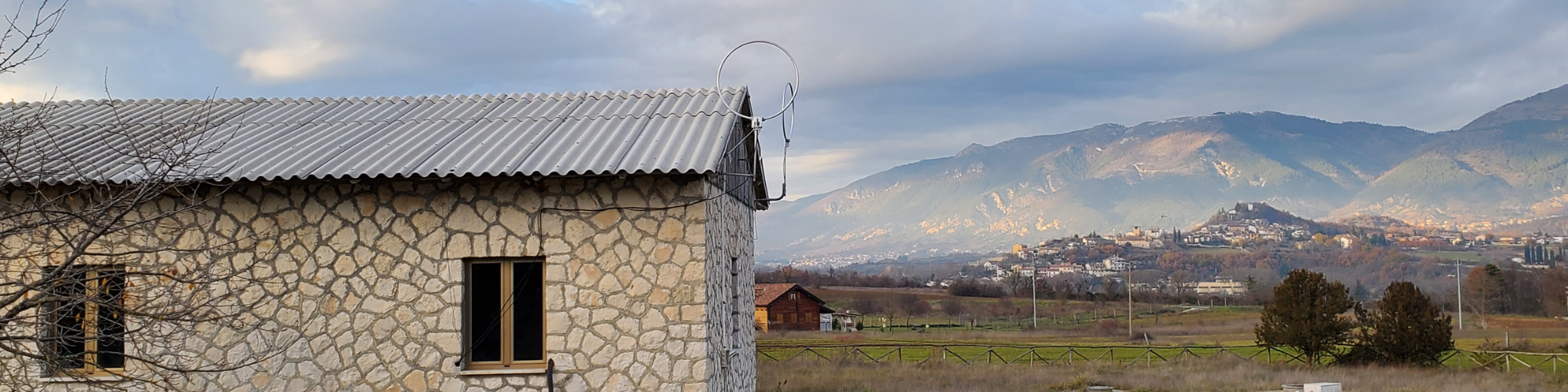
The network project aims to install 4 transmitting ionosondes sites in: Rome, Montelibretti (RM), Gibilmanna (PA), La Spezia (SP) and 5 receiving ionosondes situated in Rocca di Papa, Preturo , and Duronia in central Italy, as well as Lampedusa and Castello Tesino, respectively in the south and north of Italy, to cover a main part of our national territory. Other 5 receiving stations will be installed in several countries of Europe: in France at Chambon La Forêt, in Cyprus at Nicosia, in Finland at Vihti, in Hungary at Sopron and in Belgium at Dourbes, hosted by their national research institutions. New European stations will be installed in Spain and Romania in next months.
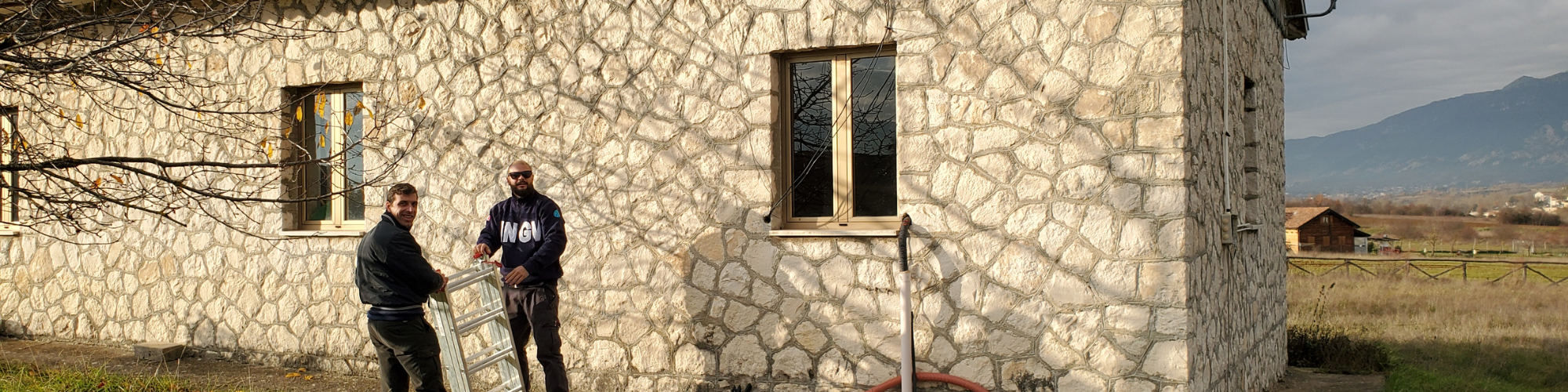
Most of the Italian receiving sites (CTS, DUR, LMP) are sites of the INGV Geomagnetic Observatories, choices for opportunities as INGV infrastructure and after a compatibility test between ionosonde instrumentations (mainly an RF receiver) and geomagnetic magnetometers.
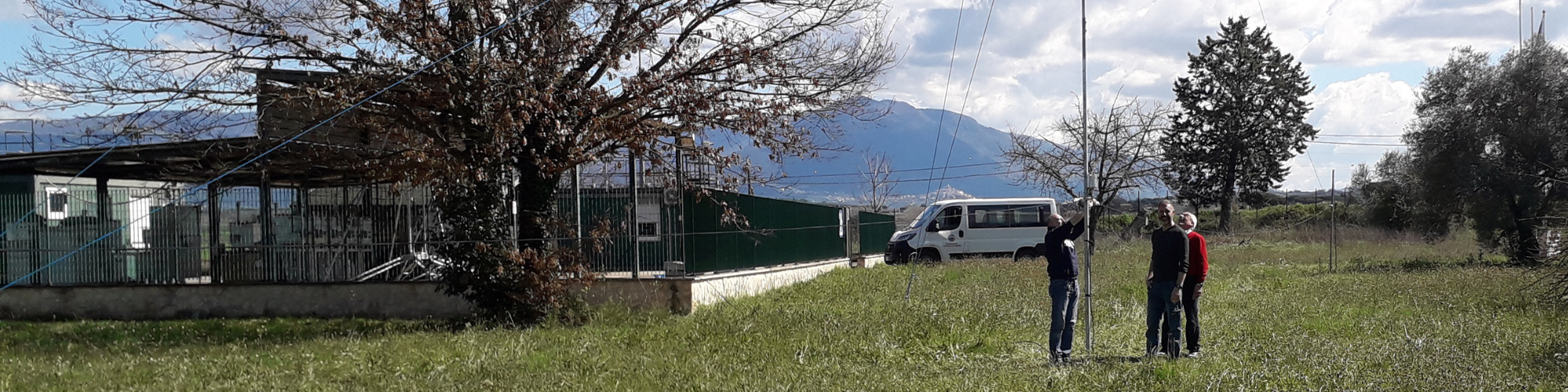
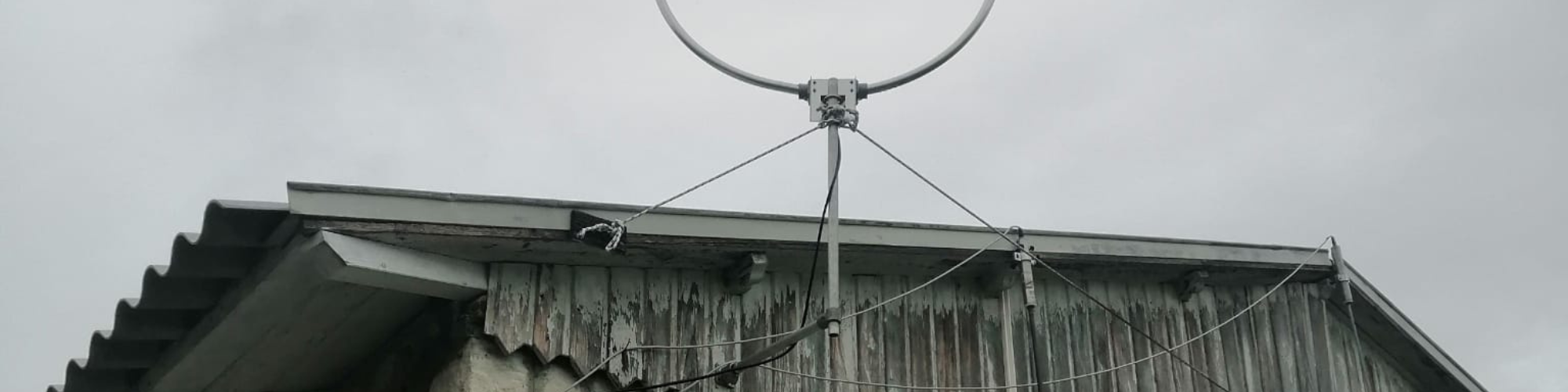
The choice of the transmitting sites in Rome, Montelibretti and Gibilmanna has been facilitated by the use of INGV ionospheric observatories already equipped with antenna structures. However smaller antennas have been developed for the Varese Ligure and Montelibretti sites.